Posts

Showing posts with the label Food Sustainability

Reducing Greenhouse Gases Through Diet: The Power of Plant-Based Choices

Image
In the fight against climate change, our dietary choices play a significant role in reducing greenhouse gas emissions. A recent study from the University of Birmingham highlights how transitioning to  plant-based diets  could reduce the global food supply chain's greenhouse gas emissions by 17%.  This shift not only benefits the environment but also promotes healthier lifestyles across the globe. The Impact of Diet on Emissions The study, published in  Nature Climate Change , explores how global dietary emissions could be significantly reduced if the over-consuming 56.9% of the global population shifted to the "planetary health diet" proposed by the EAT-Lancet Commission. This diet emphasizes plant-based foods while reducing the intake of red meat and dairy, which are major contributors to dietary emissions. Affluent countries, particularly those with higher expenditures on food, tend to have diets rich in red meat and dairy, leading to higher emissions. For instance...
Sustainable Eating: Understanding the Environmental Impact of Your Food Choices

Image
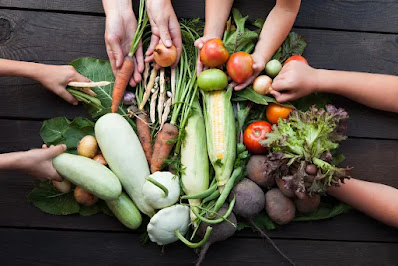
                     Sustainable eating is more than just a buzzword—it's a crucial practice that can have a significant impact on the health of our planet. Every food choice we make carries a footprint, not just in terms of our health but also in how it affects the environment. By understanding the environmental impact of different foods, we can make more informed decisions that promote a healthier planet.  This post will explore what sustainable eating is, how our food choices impact the environment, and provide practical tips for adopting more sustainable eating habits. What is Sustainable Eating? Sustainable eating refers to choosing foods that are healthful for our bodies and have a minimal impact on the environment. It involves considering the entire lifecycle of food, from production to disposal, and making choices that support the long-term health of both people and the planet. Locally Sourced Foods :  Eating local...

How Nutrition Education Can Improve Public Health

Image
Good nutrition is the foundation of a healthy life, but many people lack the knowledge needed to make informed dietary choices. Poor eating habits contribute to a range of health issues, including  obesity ,  diabetes , and  heart disease . By improving access to nutrition education, we can empower individuals to make better food choices, ultimately enhancing public health on a larger scale. Let's dive into how nutrition education can positively impact public health and what steps can be taken to spread awareness. Why Nutrition Education Matters Nutrition education goes beyond simply knowing what to eat—it helps individuals understand how food affects their bodies and how small changes can lead to significant health improvements. A well-informed population is better equipped to prevent chronic diseases, maintain a healthy weight, and adopt sustainable eating habits. Incorporating nutrition education into schools, workplaces, and communities can have far-reaching effects, ...

The Benefits of Eating Seasonal and Local Foods

Image
Eating seasonal and local foods is a practice that’s gaining popularity, and for good reason! It’s not just about supporting local farmers and enjoying fresh produce; it’s also about boosting your health, saving money, and reducing your environmental impact.  Let’s dive into why eating foods that are in season and grown nearby should be part of your everyday diet. 🌍 1.  Freshness and Taste  🌾🍓 When you eat seasonal produce, it’s typically harvested at its peak ripeness, which means it’s fresher and tastes better! Compare a vine-ripened tomato to one that’s traveled thousands of miles to get to your grocery store—it’s no contest.  Seasonal and local foods have a superior flavor that mass-produced, out-of-season foods simply can’t match. Fresh produce is also packed with more nutrients, giving your body the vitamins and minerals it needs to stay strong. 🍅💪 2.  Nutritional Benefits  🥕💚 Seasonal foods tend to be more nutrient-dense. When fruits and veget...

Can We Farm Without Soil? The Rise of Hydroponic and Aeroponic Farming

Image
The idea of farming without soil might seem futuristic or even impossible to some, but it’s already happening. Hydroponic and aeroponic farming are revolutionizing the way we grow food, making it possible to cultivate crops without the traditional need for soil.  As concerns about climate change, water scarcity, and land degradation grow, these innovative farming methods are offering potential solutions to feed the world sustainably. But how do they work? And are they truly the future of farming? Understanding Hydroponics: Growing Without Soil Hydroponic farming is a method of growing plants in a water-based, nutrient-rich solution, rather than in soil. Plants are supported by an inert medium, such as perlite, gravel, or coconut coir, that holds the plant roots in place and helps them absorb nutrients from the water.  This process allows plants to grow faster and more efficiently compared to traditional soil-based farming. One of the biggest advantages of hydroponics is that ...

The Future of Sustainable Fishing: Can We Save Our Oceans?

Image
The oceans, which cover around 70% of our planet, are home to countless species, many of which are vital to the health of ecosystems worldwide. One of the most pressing concerns for ocean conservation is sustainable fishing.  Overfishing, destructive fishing methods, and the depletion of marine species have pushed our oceans to the brink. With the growing demand for seafood and the advancement of technology, it is crucial to explore whether sustainable fishing practices can turn the tide and ensure the long-term health of our oceans. The State of Our Oceans The state of global fish stocks is a growing concern. According to the Food and Agriculture Organization (FAO), approximately 34% of global fish stocks are overfished, and many others are facing significant pressure.  Overfishing has led to the depletion of certain fish species, disrupted marine ecosystems, and caused irreparable damage to coral reefs and other marine habitats. In addition to overfishing, destructive practi...

The Environmental Impact of Dairy vs. Dairy Alternatives

Image
As concerns about the environment continue to grow, consumers are becoming more conscious of how their food choices impact the planet. Dairy, a staple in many diets worldwide, is often under scrutiny for its environmental toll. From greenhouse gas emissions to water use, dairy farming has a significant ecological footprint.  However, with the rise of dairy alternatives like almond milk, soy milk, and oat milk, many are wondering if these options are truly better for the environment.  Let’s take a closer look at the environmental impact of dairy versus dairy alternatives and which one might be the more sustainable choice. The Environmental Costs of Dairy Dairy farming is a resource-intensive industry with several environmental consequences. Some of the most pressing issues include: 1. Greenhouse Gas Emissions Cattle farming is one of the largest contributors to global greenhouse gas emissions, primarily due to methane emissions from cows' digestive systems. According to the Fo...

Is Lab-Grown Meat Really Better for the Environment?

Image
The concept of lab-grown meat, also known as cultured or cell-based meat, has stirred up a lot of excitement in the food industry. Proponents claim it offers an environmentally friendly alternative to traditional livestock farming, potentially reducing carbon footprints and preserving natural resources.  But is lab-grown meat really as good for the environment as it’s touted to be? Let’s take a deeper dive into the environmental implications of this innovative technology. What is Lab-Grown Meat? Lab-grown meat is created by culturing animal cells in a controlled environment, replicating the natural growth process. Instead of raising and slaughtering livestock, scientists extract a small sample of animal cells (such as muscle cells) and grow them into muscle tissue using nutrient-rich media.  The result is meat that is biologically identical to the real thing but produced without the need for a living animal. While lab-grown meat is still in its early stages and not widely avai...

How Climate Change Is Changing the Foods We Eat

Image
Climate change isn’t just about rising temperatures and melting ice caps—it’s also messing with what’s on our plates. From the way crops grow to the price of our favorite snacks, global warming is forcing big changes in our food supply. Some of these changes are subtle, while others are downright alarming. Let’s break it down. Crops Are Struggling to Keep Up Farmers are feeling the heat—literally. As temperatures rise and weather patterns become more unpredictable, growing food is getting trickier. Crops like coffee, wheat, and corn are especially vulnerable. Coffee lovers, brace yourselves. The best coffee-growing regions are shrinking due to higher temperatures and erratic rainfall. Some experts predict that by 2050, half of the land suitable for coffee farming could disappear. Wheat and rice are in trouble too. These staple crops don’t handle extreme heat well. Lower yields mean higher prices and possible shortages. Fruits and veggies are changing. Warmer temperatures are aff...

How Your Food Choices Impact Global Deforestation

Image
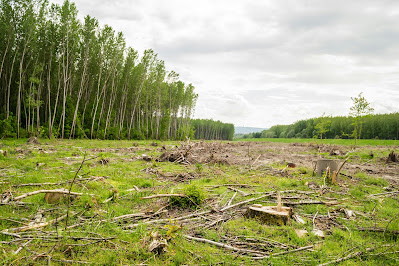
Are Your Meals Destroying Forests? Picture this: you’re sitting down to enjoy a delicious meal—maybe a juicy burger, a chocolate bar, or even a fresh avocado toast. What if I told you that hidden behind those flavors is a bigger story—one that involves vast rainforests, endangered wildlife, and the steady disappearance of some of the planet’s most crucial ecosystems? Deforestation isn’t just about chopping down trees. It’s about the choices we make at the grocery store and how our favorite foods shape landscapes thousands of miles away. So, how exactly does what’s on your plate connect to the destruction of the Amazon, the forests of Southeast Asia, and beyond? Let’s dig in. The Big Culprits: What Foods Are Driving Deforestation? 1. Beef: The Rainforest’s Biggest Enemy If there’s one food that’s undeniably linked to deforestation, it’s beef. In countries like Brazil, massive areas of the Amazon rainforest are cleared to make room for cattle ranching. The demand for cheap beef fuels i...

The Truth About Composting: Is It Really Sustainable?

Image
Composting: The Good, The Bad, and The Smelly Composting has a reputation for being the ultimate eco-friendly solution. You toss your food scraps into a bin, let nature do its thing, and a few weeks later, you’ve got rich, dark soil that makes your garden flourish. Sounds great, right? Almost too good to be true. Like most things in life, composting isn’t as simple as people make it seem. Yes, it can keep food waste out of landfills, but does that mean it’s a perfect solution? Not exactly.  Composting is like making sourdough bread—it takes patience, the right conditions, and a little bit of luck. So, is composting really sustainable, or is it just another green trend we’ve hyped up? Let’s break it down. What Composting Actually Does (And What It Doesn’t Do) At its core, composting is just controlled decomposition. Organic waste—like fruit peels, coffee grounds, and veggie scraps—gets broken down by microorganisms, turning into a nutrient-rich material that improves soil health. ...